
I am not sure how to treat this event. Obviously a positive in that some people were saved and the truth came out about what horrible, disgusting and disgraceful things that man does to his fellow man – throughout history.
I have been to Auschwitz-Birkenau twice. Auschwitz (in Oswiecim – its local/regional name) has become quite a tourist spot for better or for worse. Visiting in the summer, or a sunny, pleasant day or with hundreds of people is just not the same as going in the middle of winter, on a dark, dreary, cloudy cold day. THAT is the time to go, to get a real idea of what it was like.
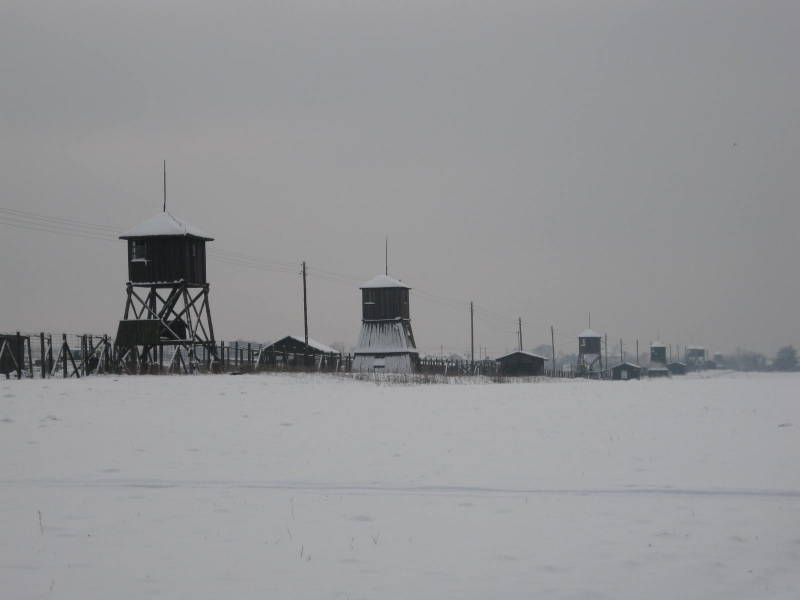
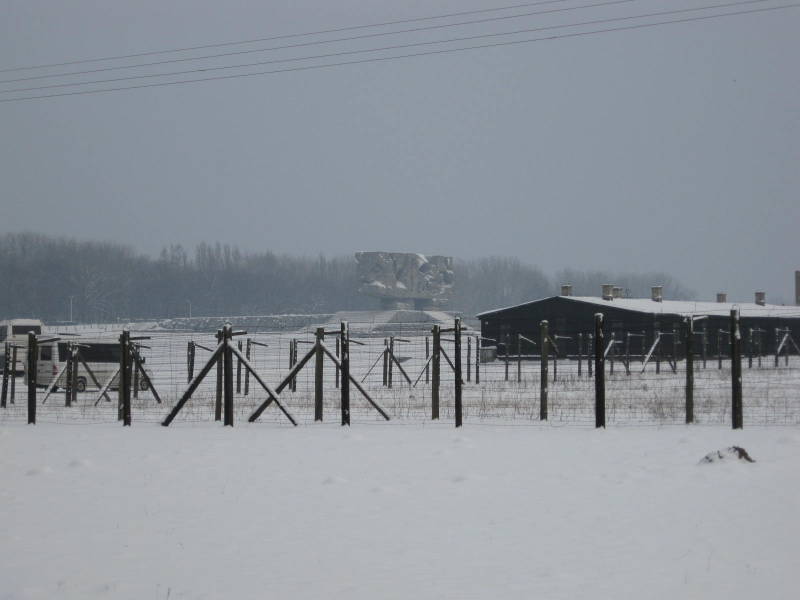
Birkenau is more powerful than Auschwitz. But to get a real feel for these horrible places you need to go visit the other less popular camps, in other parts of Poland, and do it during miserable weather. I went to Majdanek in December one year. Majdanek is SE of Lublin.
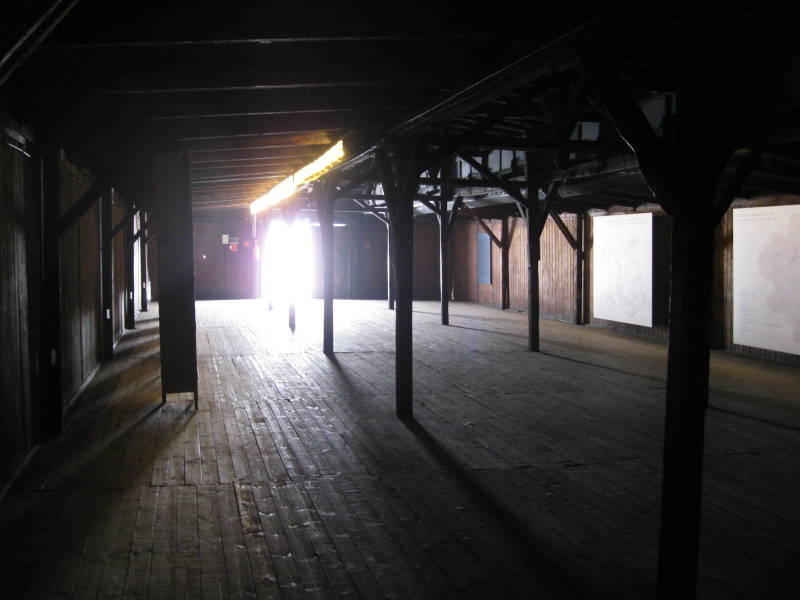
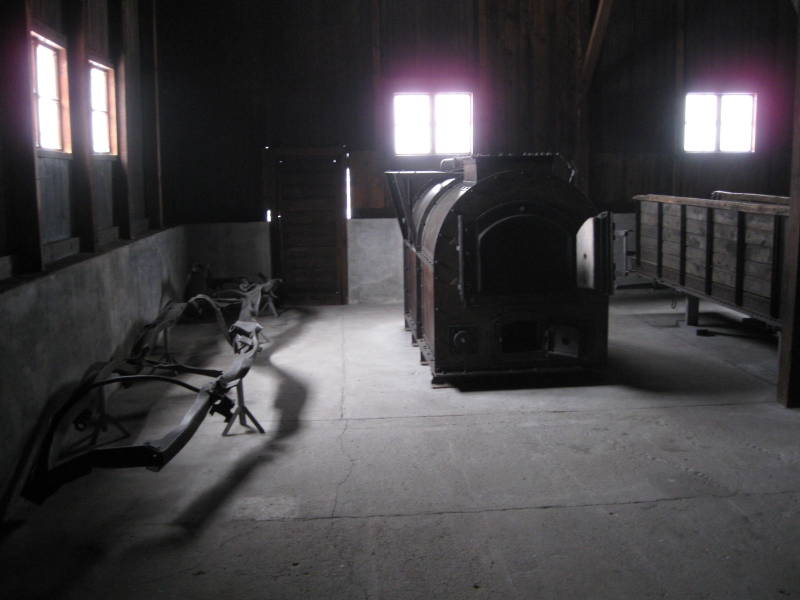
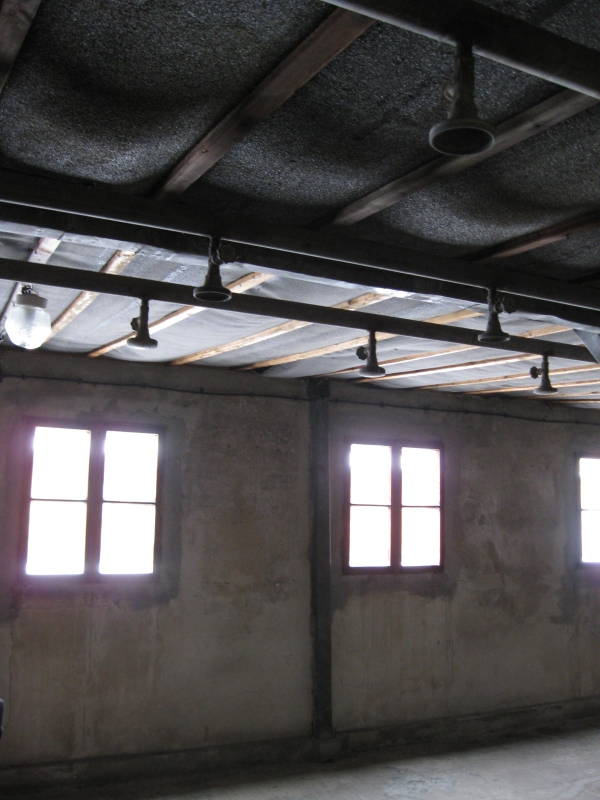
Majdanek was made into a secondary sorting and storage depot at the onset of Operation Reinhard, for property and valuables taken from the victims at the killing centers in Belzec, Sobibor, and Treblinka. However, due to large Jewish populations in south-eastern Poland including Kraków, Lwów, Zamość and Warsaw which were not yet “processed”, Majdanek was refurbished as a killing center around March 1942. The gassing was performed in plain view of other inmates, without as much as a fence around the buildings. Another frequent killing method was shootings by the squads of Trawnikis. According to the Majdanek Museum, the gas chambers began operation in September 1942. There are two identical buildings at Majdanek, where Zyklon-B was used. Executions were carried out in barrack 41 with the use of crystalline hydrogen cyanide released by the Zyklon B. The same poison gas pellets were used to disinfect prisoner clothing in barrack 42. Of the more than 2,000,000 Jewish people killed in the course of Operation Reinhard, some 60,000 Jews (56,000 known by name) were most certainly exterminated at Majdanek, amongst its almost 80,000 victims accounted for, altogether.
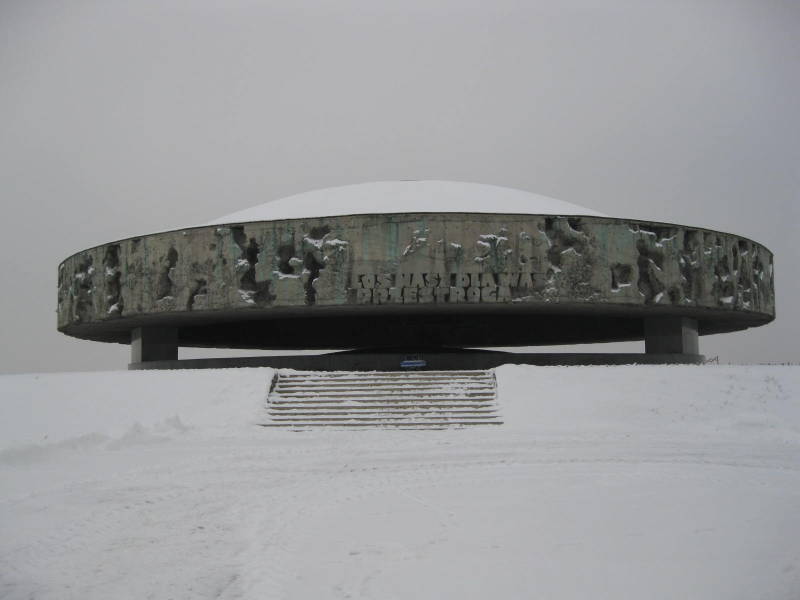
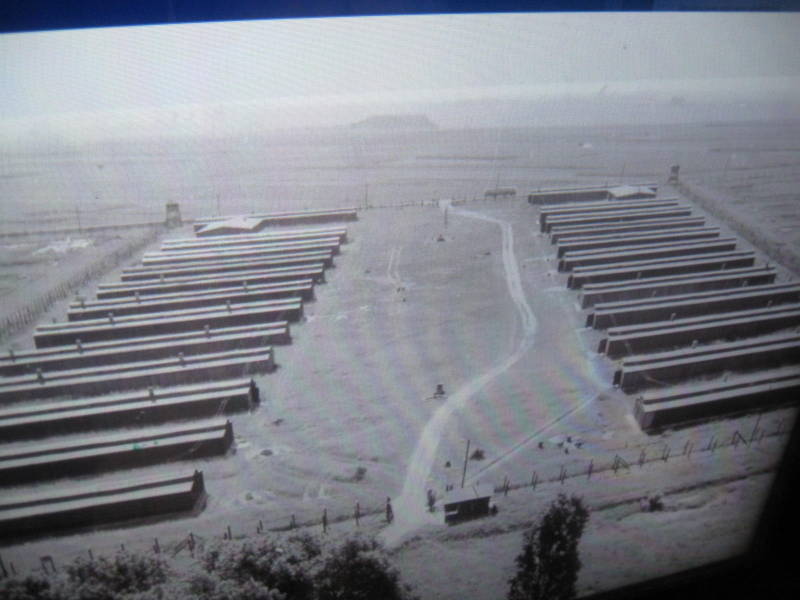
In 1944, the Museum at Majdanek was created and has served as a research center. Nearly 250,000 people visit the Museum and camp area annually. The occupies roughly half of the 2.7 km2 from its original size with the buildings mostly bare. But there is still enough there to have a moving effect.
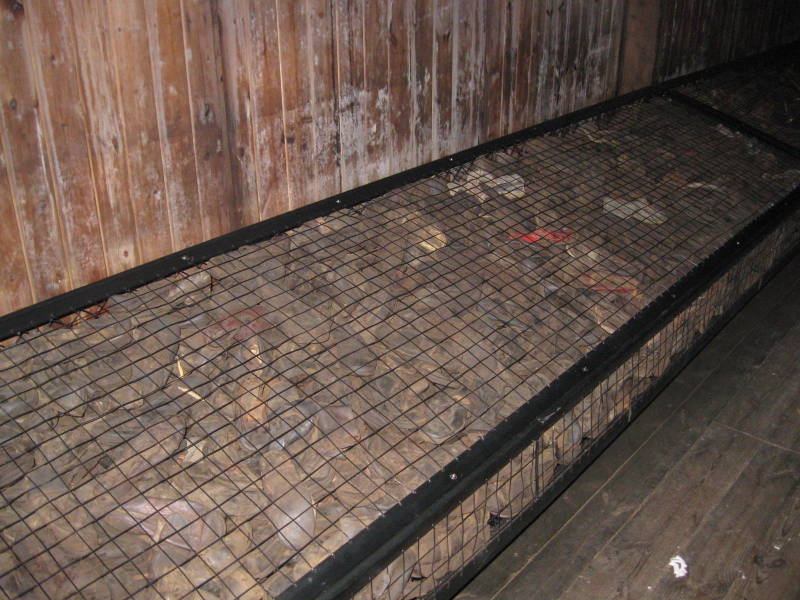
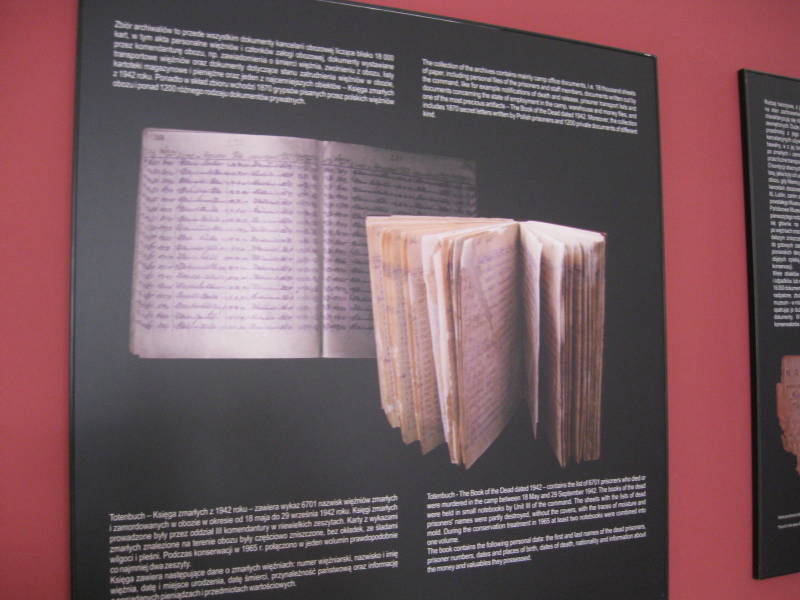
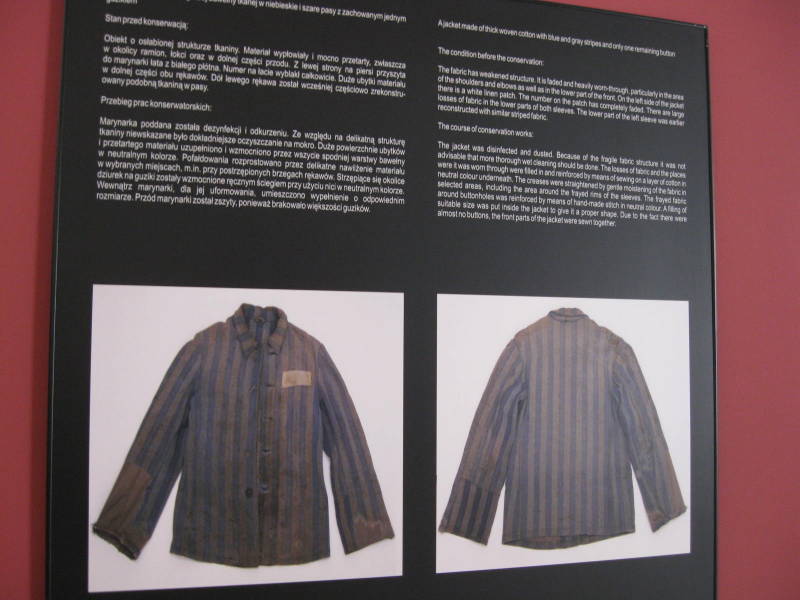
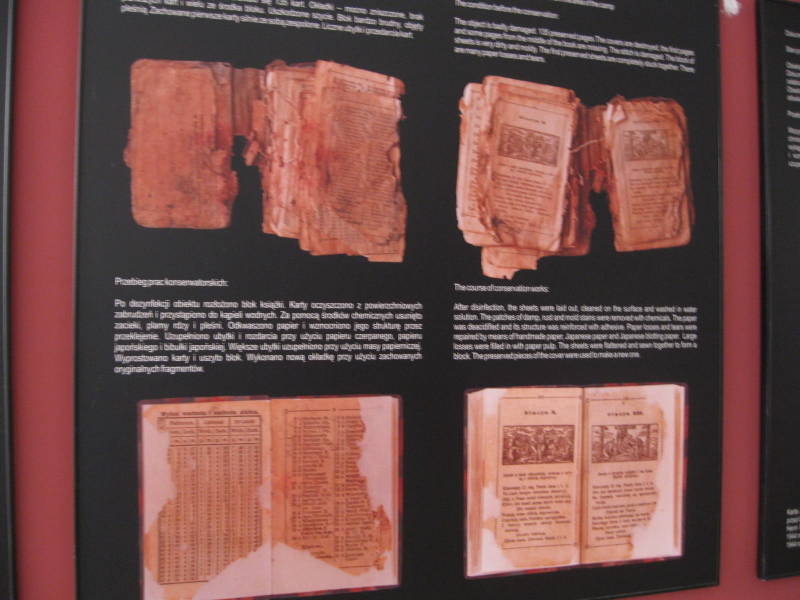
For those who Holocaust deniers, and others….. these are MY photos from my visit one December. This place was one of the most impactful places I saw in Poland. It did happen.
 Adventures in pictures