
Sorry for the delay, I have been knocked out by a bad cold (not the coronovirus) and have had zero energy the past few weeks. FYI, the flu shot is useless for colds.
I know I have talked about this before (camps) and how this camp in particular has become known locally as the Disneyland of camps because everyone (internationally) knows about it, almost everyone visits it and it is in the international press a lot lately due to the anniversary of its liberation, but also because survivors are TERRIFIED that people are forgetting history and with that, we are doomed to repeat it.
I hope civilization does not repeat it but considering the Armenian genocide (before WW2), what happened in Rwanda in the late 1990’s, the Rohingya being forced to flee their own country in the last couple of years, and not to mention the hundreds of thousands of Syrian refugees……… man will be the death of man I fear.
And on that happy note, more evidence that this horrible time in history DID happen (Holocaust) and it will happen again if we as a people are not vigilant. Since pictures speak a thousand words, I will let them do the talking and hope that the images will remained ingrained in people’s memory so generations never forget and never repeat.
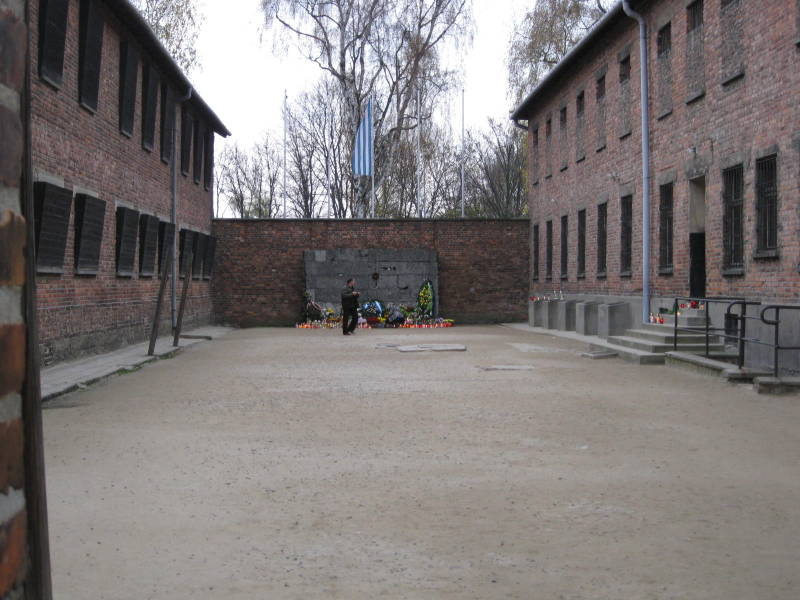
When I lived in Krakow I visited this camp when I first arrived in late 2009, then went again in late 2014 before I returned to the states. The one thing that people say when they visit in person is *why did they build a town around the camp?* Well, that is not what happened. The town was there before the camp. Yes, the camp abuts a neighborhood and is separated by a high, concrete wall but that had nothing to do with the residents. Also, the town is Oścwięcim – not Auschwitz. This is a common mistake among tourists.
For next time, happier memories for this blog.
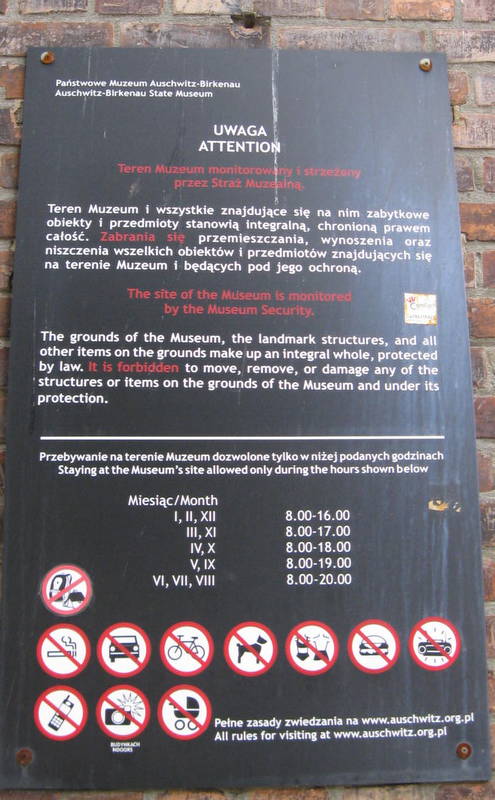
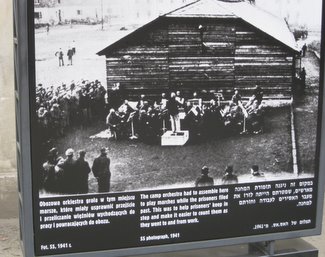
One of the more poignant stories and images has been of the orchestra at the camp. Signs at the camp are written in Polish, Hebrew and English.
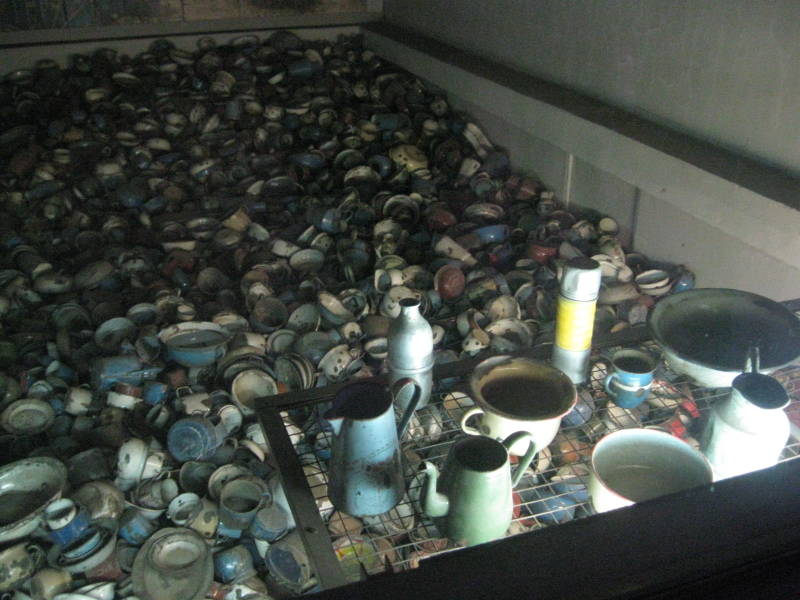
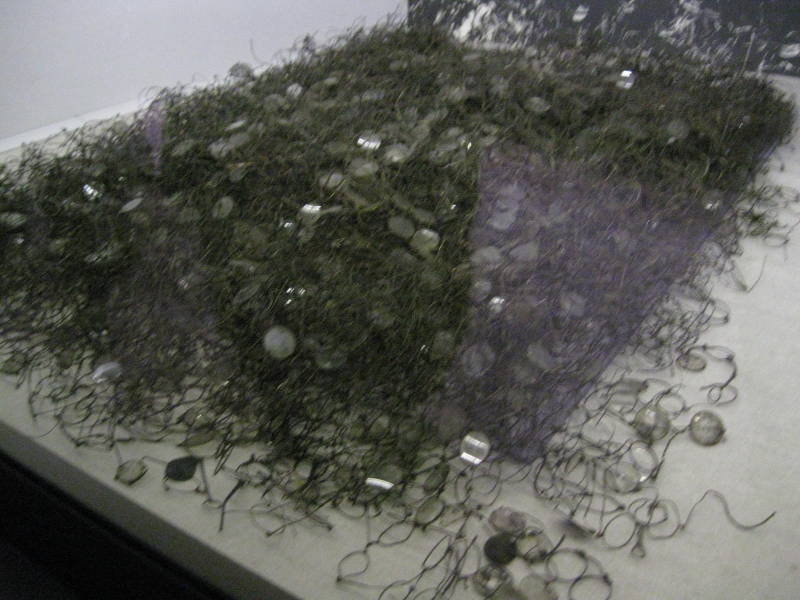
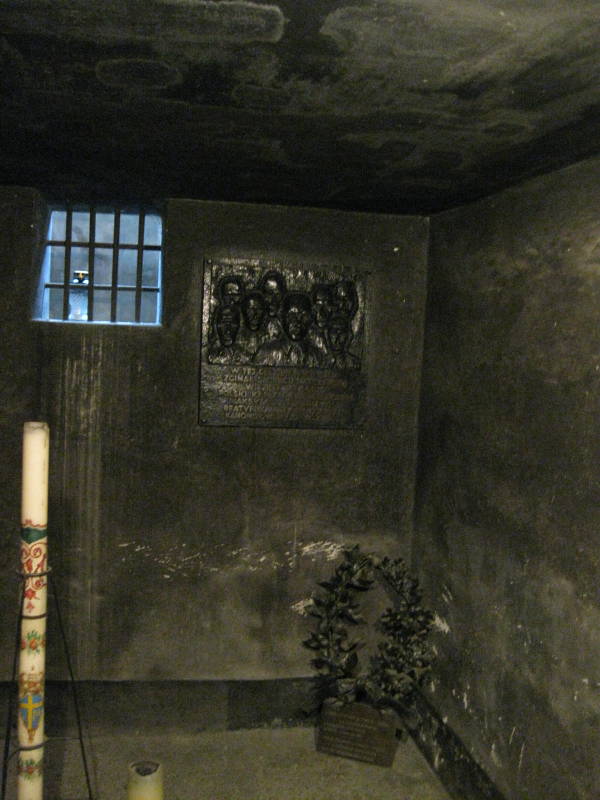
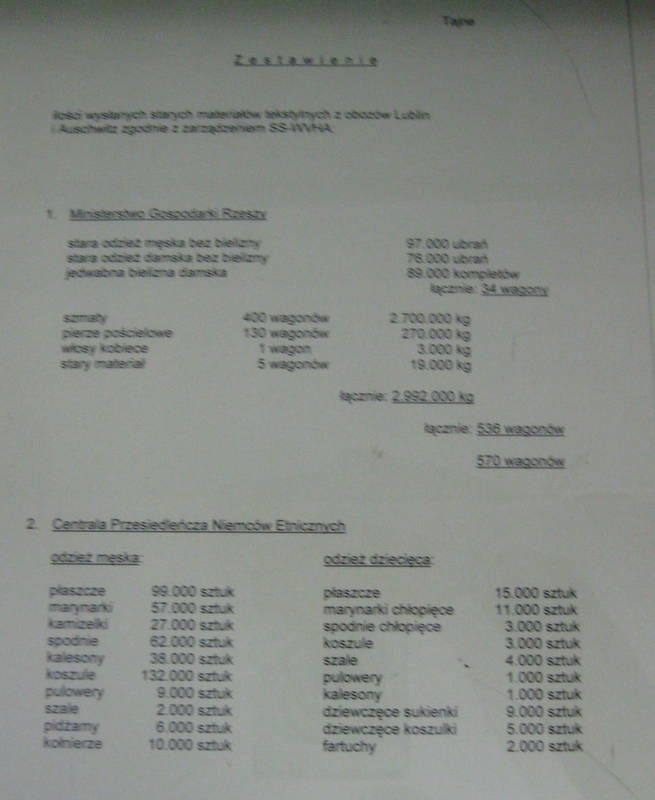
This is a list of items for men (left) and women (right) that were confiscated and weighed before being taken away. Things such as coats, jackets, pants, skirts, jewelry, scarves, and women’s dresses. Sztuk is the number of pieces while you can see above the weight in kilos and how many train wagons were used.
I think people get the point. But I will always keep these photos as a reminder. Plus one of the greatest books ever illustrated and written about that time period – Maus by Art Spiegelman. I have Maus I and Maus II. It’s one of the first graphic novels and depicts Spiegelman interviewing his father about his experiences as a Polish Jew and Holocaust survivor. The work employs postmodernist techniques and represents Jews as mice, Germans as cats, and Poles as pigs.
 Adventures in pictures